Featured
Table of Contents
ArXiv Research reveals a remarkable trend where is increasingly tied to management presence, highlighting how CEOs' social networks credibility management directly impacts overall corporate perception in the digital age. Modern companies are leveraging advanced technological options to monitor and handle their online reputation better. Innovative techniques like the BERT-based deep learning technique discussed in ArXiv's current study demonstrate how artificial intelligence can automate and improve online track record management efforts, offering real-time insights and predictive analysis of brand sentiment across digital platforms.
This complex technique needs integrated methods that span digital channels, conventional media, and direct stakeholder interactions. Organizations must establish nimble systems that can rapidly find, examine, and react to potential credibility difficulties while maintaining a constant and genuine brand name story. Practical applications of reputation management include: Executive social networks technique advancement Real-time sentiment tracking Crisis interaction planning Digital brand security Customer feedback integration Competitive track record benchmarking By welcoming these extensive reputation management methods, organizations can change potential credibility threats into opportunities for constructing trust, showing transparency, and strengthening their market positioning.
IOSR Journals Research conceives credibility risk as a considerable possession or liability fundamentally influenced by stakeholders' perceptions, underscoring the intricate nature of keeping a favorable business image in a significantly interconnected digital landscape. Organizations regularly experience significant difficulties in managing their online existence, with lots of falling victim to common track record management mistakes.
The quick spread of information through social media platforms suggests that a single error can rapidly intensify into a full-blown reputational crisis, demanding sophisticated and proactive management strategies. Expert environments are not immune to reputation management intricacies. As highlighted by Deakin University Research, experts face considerable difficulties in handling their online personas across several platforms, demanding institutional support to reduce possible negative repercussions of increased digital direct exposure.
Typical credibility management errors include: Neglecting unfavorable feedback Irregular brand messaging Slow response to criticism Absence of digital tracking Inauthentic communication Overlooking stakeholder perspectives By comprehending these threats and proactively establishing robust reputation management strategies, services can change possible vulnerabilities into chances for developing trust, demonstrating responsibility, and reinforcing their overall brand name strength.
Successful Media Relations Tactics to Gain Exposure
As highlighted in the post, organizations face the challenge of preserving,, and to protect their image across all digital channels. Negative feedback can spread out quickly and harm trust if it is overlooked or managed inadequately. Your brand name's track record is a valuable possession that requires proactive methods and swift actions to reduce threats and develop enduring stakeholder self-confidence.
With our knowledge in SEO, social networks management, and content marketing, we assist you monitor your brand name's online existence, engage your audience authentically, and react to challenges efficiently. Do not let inconsistent messaging or sluggish response times undermine your success. Explore how our digital marketing services can empower your business to transform track record risks into chances.
Track record management in business aims to form and affect how stakeholders perceive a company. Reliable credibility management techniques include transparent communication, proactive brand tracking, quick crisis response, stakeholder engagement, digital credibility management, and Business Social Responsibility (CSR) efforts.
Harnessing AI for Better Media Relations
Companies assess track record threat by continuously monitoring digital channels, carrying out real-time sentiment analysis, and assessing stakeholder feedback. This helps determine possible vulnerabilities that might impact their public understanding and enables timely responses to alleviate dangers. Common errors in track record management consist of overlooking unfavorable feedback, having inconsistent brand messaging, reacting slowly to criticism, lacking digital tracking, communicating inauthentically, and disregarding stakeholder perspectives.
In a world where online evaluations shape public perception, handling your reputation has become mission-critical for service brands across the globe. With 75% of consumers 'constantly' or 'routinely' reading online evaluations before making a purchasing decision, your online presence typically defines your business in the eyes of possible customers. Whether you're a growing enterprise or a little regional organization, your track record can make or break opportunities for growth.
You'll come to comprehend the essential elements of reputation management, discover tested techniques, and check out actionable best practices to reinforce trust, respond to negative evaluations, attract loyal customers, and safeguard your organization from unfavorable comments and understandings. A reputation management method is an extensive strategy created to shape, keep track of, and maintain a brand image online and offline.
Creating High-Impact Media Pitches That Win Results
Credibility is an indispensable possession for any company structure trust with customers, fostering loyalty, and identifying your brand name in competitive markets. A well-executed track record management strategy brings a lot more benefits: Guarantees your brand message and tone are unified, regardless of platform. Allows you to attend to issues before they escalate, avoiding possible damage.
The Role of Reputation Management in Digital GrowthKeeps your reputation and review management efforts in sync with wider business objectives. Equips you with a strategy to handle unfavorable events quickly and successfully. Ensures your technique can grow and progress as your company does. With the right technique, your track record ends up being a passive reflection of client sentiment and an active, managed force that drives success.
The Role of Reputation Management in Digital GrowthYelp, Google, TrustPilot), offline interactions, and whatever in between. By aligning your technique with your business and team objectives, you guarantee that reputation management becomes an integrated part of your company's DNA, not simply a reactive task when things go wrong. Here are the key components that comprise a comprehensive method: To handle your reputation, you require to know what's being stated about you.
Using social listening, you can determine opportunities to engage with your target market, respond to issues, and remain ahead of potential concerns. You can begin now with a totally free online reputation report. Discover what programs up when consumers look for you online and how you compare to competitors.

Collecting regular, structured feedback through surveys or reviews helps you identify areas of improvement and monitor general satisfaction. By actively seeking consumer input, you reveal that you value their opinion and are dedicated to constant improvement."Feedback is a present and our mission is to open consumer feedback in a manner that every level of the organization, from executives to area supervisors to frontline staff members, know exactly how they're doing and they know how to improve or how to double-down on what's going actually well," AskNicely CEO Kirsten Newbold-Knipp stated.
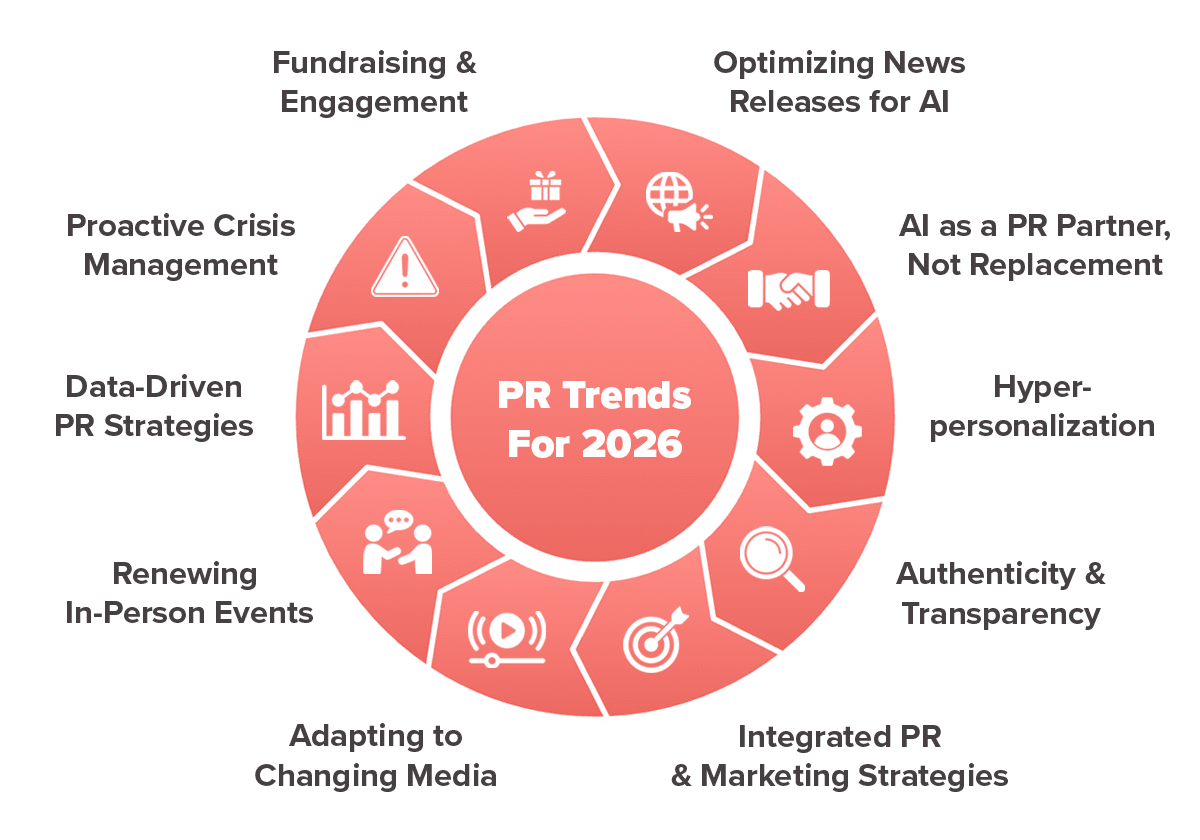
Modern PR Trends for the Year 2026
This can include blog sites, social media posts, video content, and press releases, all of which contribute to forming public understanding and strengthening a positive image. No business is immune to unfavorable events, but having a well-thought-out crisis management strategy can make a significant distinction.
A fast, measured action during a crisis can not only safeguard your reputation however also construct trust in your brand name's integrity. Track record management is not the task of a single person or department, it requires partnership throughout your entire organization. From customer care to digital marketing and PR teams, everyone should be on the very same page concerning how to handle feedback, react to criticism, and preserve a favorable public image.

Latest Posts
Practical Tips for Improved Media Coverage
Building Corporate Reputation in An AI World
Protecting Corporate Reputation in the Age of AI